


-180x100.png)
It is difficult to overestimate the importance of timely and efficient poultry watering in farms and households. After all, the growth and health of broilers, laying hens, ducks and other poultry species largely depend on the quality of water they receive. Automation of watering systems and their correct choice have a significant impact on the growth and productivity of poultry. In this regard, it is worth considering the purchase and installation of nipple feeding systems, which have many advantages, such as water savings, cleanliness and ease of use.
What is a poultry watering system and why is it needed?
Automated watering systems are designed to provide an efficient and consistent supply of water to birds in large-scale poultry farms. They provide automatic control of the water supply, minimising labour costs, improving hygiene and reducing the risk of infection. They work as follows:
- The system is supplied with water from a central water supply or reservoir, and pumps maintain the necessary pressure to ensure that the water is piped to each drinking point.
- Plastic or metal pipes running along the cages or around the perimeter of the room transport water and distribute it to different levels if the birds are kept on several floors.
- Different types of drinkers can be included in the system - nipple, cup or vacuum. The most popular are nipple drinkers, which are equipped with a valve that opens when the bird pecks at the drinker. Water flows into the beak, and when the bird stops drinking, the valve closes.
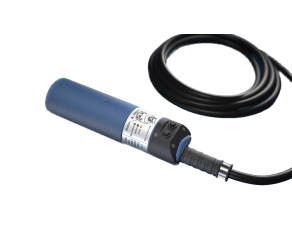
- The sensors and controllers in the poultry watering system regulate the amount of water supplied to the poultry, allowing it to maintain a stable level and control the needs of the birds based on age, temperature and other factors.
Additionally, drinking systems can be equipped with filters, UV lamps or chemical treatment systems for automatic cleaning or disinfection. This helps to maintain the required hygienic conditions and prevent the spread of disease. Modern drinkers can be equipped with automated monitoring systems. They monitor water flow, pressure, contaminants and other parameters, which are transmitted to a central control panel for control and analysis.
Thus, the correct organisation of water supply for poultry is cost-effective and can have a significant impact on maintaining the health of the livestock and increasing its productivity. As compared to traditional drinkers, it prevents water contamination, untimely, insufficient or, conversely, excessive water supply.
How to choose and install a poultry drinking system
The main criteria for choosing poultry drinking systems are the type of bird, its size, water requirements and housing conditions. Depending on the type of bird, you should choose a drinking system:
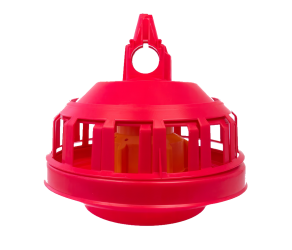
- For poultry. A containerised watering system for broilers is a convenient and economical option. It usually uses bottles or containers with a low water level. Plastic or metal drinkers with cups are suitable for chickens and turkeys, as the water stays clean and the birds can take turns drinking. Automatic nipple drinkers for chickens with a water supply system that is delivered through tubes or drip systems, where the bird simply has to press the spout with its beak, are also suitable.
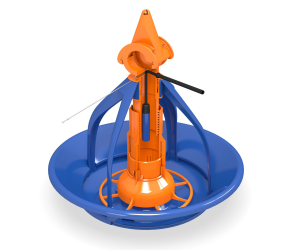
- For waterfowl (ducks, geese). The best choice is deep drinkers or pools of water. These birds often dip their heads into the water to drink and clean their feathers, so they need deeper drinkers or pools. Therefore, it is worth using drinkers with easy access to water, which should be regularly refilled.
- For quail and other small birds. Nipple or small bottle drinkers are suitable. These systems are suitable for small birds that cannot drink from large drinkers but still need access to clean water.
Careful preparation and compliance with all technological standards is also required for the installation of watering lines for birds connected to the water supply. It is important to properly configure the water supply system so that it is convenient and safe for the birds, as well as easy to maintain. The following components need to be prepared for installation:
- Water supply pipe (plastic or copper pipes can be used).
- Drinking nipples or bowls that will be connected to the pipeline system.
- A valve for regulating the water supply.
- A tap for connecting to the water supply.
- Filters for water purification from contaminants.
- Hoses, fittings and connecting elements.
Once everything you need is in place, connect the nipple feeding system to the water supply via a tap or water outlet, with a filter at the inlet. Then, depending on the design, you need to lay pipes along the ceiling or wall of the house. The nipples or bowls are placed so that all birds can easily reach them - usually at a height of about 3-5 cm from the bird's head.
Hoses are used to connect the nipples to the main pipe. The water pressure must be low enough for the nipples to work properly (usually up to 2-3 bar). If necessary, use a pressure regulator. After installation, check the correct operation of the drinkers and make sure that the water is supplied evenly without leaks.
Clean the drinker nipples and filters regularly to avoid water contamination and periodically check all connections for leaks and possible breakages. Worn parts (e.g. filters or nipples) should also be replaced in good time.
Where to buy a poultry drinking system
If you need to purchase any version of a watering line for birds, whether broilers, ducks or quail, study the items in the catalogue of the VADA online store. Here you can find everything you need to create poultry watering systems, including additional equipment for installing and connecting such lines. The products presented by well-known manufacturers are guaranteed to be of high quality, have a competitive price and will be promptly delivered to any region of Ukraine. Customers always have the opportunity to get expert advice on the best choice of the right product. Place an order for a poultry nipple feeding system at VADA and ensure the healthy growth of your livestock!
 Filters