














-180x100.png)

Cows do not freeze if they are dry, have soft bedding and are protected from draughts. It sounds simple, but this is an important condition for the comfortable stay of cattle indoors, even if the temperature outside is -15°C. Adult animals tolerate low temperatures well. The greater danger lies in humid air, sudden temperature changes and stagnant cold air. These can lead to colds, a drop in milk yield and even pneumonia in calves.
What temperature is comfortable for cows?
Well-designed heating for cowsheds should not overheat the room, but only maintain a stable temperature without fluctuations. An adult dairy cow can easily tolerate -5+15°C without expending excess energy on heating. At -10°C, she eats more to compensate for heat loss.
Calves and young stock need warmer conditions because their thermoregulation system is not yet fully developed. In milking parlours, where animals move less frequently, the temperature should be maintained at no lower than +5 °C to prevent the animals' udders from becoming hypothermic. However, it is important not to overdo the heating, as cows can experience heat stress at temperatures above +20°C.
Table: Temperature standards for different age groups of cattle
| Age group | Comfortable temperature | Permissible minimum | Features |
| Adult cows | +5…–5°C | to –15°C | Tolerate cold well in dry conditions |
| Calves (up to 1 month) | +10…+15°C | +5 | Require deep bedding, sometimes lamps or "jackets" |
| Young stock (1–6 months) | +5…+10°C | 0 | Dryness and ventilation without draughts are important |
| Lactating cows | +5…+10°C | –5 | Optimal for milk yield and digestion |
How cows retain heat
Cows have their own heating system. In the rumen, the first chamber of the stomach, the process of feed fermentation continues continuously. This releases heat and gases that warm the animal from the inside. It is jokingly said that cows have their own oven in their stomachs. Thick skin and dense winter fur further retain heat in the body. Even when it snows, the wool keeps the snow on the surface, creating an air cushion between it and the skin. Even at -20°C, cows do not feel cold. But, importantly, this is only true in the absence of moisture! Otherwise, the wool gets wet and loses its insulating properties, heat exchange is disrupted, and the animal can catch a cold.
As the company's engineer Oleksandr Zhilinsky emphasises, it is not only the heater that keeps the cowshed warm, but also proper ventilation, without draughts, but with constant air renewal.
Cows drink more water in winter
Since the winter diet is drier, cows want to drink more to digest this feed. The water temperature is important — +10+15°C. Cold liquid cools the stomach, which disrupts the rumen. As a result, digestion and milk production deteriorate. In this case, heated drinking troughs or systems with automatic temperature control will come in handy. Such solutions can be found in the VADA online store, which offers certified equipment for watering cattle.
What needs to be provided in the cowshed in winter?
The right microclimate in a cowshed in winter consists of several important components:
- dry, loose bedding (straw or sawdust) retains heat and moisture well;
- regular replacement: once every 2-3 days to prevent the formation of ammonia and dampness;
- protection from draughts: there should be none at all;
- dry ventilation — fresh air without a direct flow of cold wind.
Calves should be provided with warmer conditions and deeper bedding. Infrared lamps or individual housing cubicles can be used. And, of course, a heating system is essential to ensure stable and comfortable housing conditions.
What kind of heating should there be in a cowshed?
The answer is simple: it should be such that the animals are comfortable indoors. The purpose of heating is not to create heat, but to ensure a stable temperature of +5+10°C.
The most common heating systems for farms are:
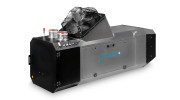
- water fan heaters, which are good at distributing heat throughout the room. They do not dry out the air, maintain a stable temperature and can operate in automatic mode.
- Heat guns, which quickly raise the temperature, are a good solution for temporary or local heating. However, it is important to control humidity.
- Combined systems that combine fan heaters and air ducts.
Properly designed milking parlour heating ensures the comfort of cows during milking and prevents the udder from overcooling. "When installing water fan heaters, it is important to position them so that the warm air flows downwards at an angle, rather than directly onto the animals. This ensures that the heat is distributed evenly and there are no cold spots in the room," adds the VADA specialist.
The company offers a full range of services for heating systems for cowsheds and milking parlours: from design for a specific farm to installation of certified livestock equipment and configuration. VADA engineers integrate heating, ventilation and microclimate systems into a single control system. A reliable heating system for farms is the key to a warm, dry and healthy cowshed in winter.
11/11/2025