












-180x100.png)
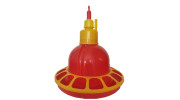

Successful pig breeding depends on many factors, among which feeding takes an important place. After all, balanced nutrition contributes to rapid growth, good health, immunity and high productivity of animals.
Basic principles of pig nutrition
A balanced feeding ration for pigs is important for several reasons. It provides essential nutrients that build the immune system and reduce the risk of disease. Since pigs grow quickly, accordingly, they must be fed a diet that will support muscle and bone development. This is especially necessary for young pigs. And for sows, a balanced diet is critical for healthy piglets and good lactation. Meat quality also depends on proper nutrition.
The source of energy in pigs are cereals (wheat, corn, barley), protein - legumes (peas and soybeans), fish and meat and bone meal, to strengthen immunity vitamin and mineral supplements are necessary. And, of course, water is a must for a good metabolism.
In short, a complete diet for pigs is an important aspect of successful pig production.
Feeding technology for pigs at different stages of growth
Feeding pigs at different stages of their life should take into account the physiological characteristics of the animals. The diet of piglets consists of mother's milk, special milk mixtures and mineral supplements: chalk, bone meal, vitamins (A, D). In the transition period (2-4 months), young pigs gradually get used to adult feed, starting with mixtures based on ground corn, barley, oats, soybean meal, protein, vitamins and minerals.
The diet of adult pigs includes cereals until the age of six months, which make up 70% of the entire diet, protein supplements and vitamin premixes with trace elements. Such feeding rates for pigs will ensure rapid weight gain. After six months, the diet for pigs is slightly changed: cereals are given a little less (60%), proteins are 20%, fats, roughage (potatoes, vegetables, greens), vitamin supplements (A, D, E, calcium, phosphorus). Water should be readily available at all times.
Sows are restricted a week before farrowing in feed to avoid obesity. And during the lactation period, a balanced diet of pigs that feed piglets is enriched with protein and energy feeds, calcium and phosphorus for the health of the babies and to maintain lactation.
An important recommendation that should not be neglected is that feeding should be done at the same time. And it is also necessary to regularly monitor the weight, so that if necessary, in time to adjust the diet.
What to feed pigs?
The diet for pigs consists of dry, wet and mixed feeds. Let's take a closer look at each type.
Feeding pigs with dry mixed feed has its advantages and disadvantages. Dry feeds are compound feeds in the form of pellets, grains or floury mixtures. They can be easily transported and stored well for long periods of time, are better suited for automatic feeding systems and are rich in nutrients. However, dry feeds are more expensive than other types. Animals consuming dry feed must be provided with water at all times.
Wet feed is a mixture of concentrates with water or other liquid additives. Pigs eat them more readily because of their pleasant texture. Plus digestion is faster due to the liquid consistency. However, these feeds spoil quickly and need to be fed immediately. And improper storage results in high bacterial growth. The feeding ration for pigs at home consists mainly of wet feed.
The combination of dry and wet components in certain proportions is called a mixed form of feeding. The advantages include balanced nutrients, lower feed costs and adaptation of the diet to specific needs. But in this case it is very important to control the quality of ingredients, which will affect the health of the animals in general.
How to organize pig feeding?
Properly organized feeding of pigs is a complex process that includes regularity, care of feeders, maintenance of sanitary conditions and the introduction of feed additives and vitamins. Feeding regime for piglets - 4-5 times a day, fattening pigs are fed 2-3 times, sows - 2-4 times, depending on the period of pregnancy or lactation.
The volume of the portion is determined according to the age, weight and physiological condition of the pigs.
As for the care of feeders - they should be washed constantly after each feeding, especially when using wet feed. Check for damage to avoid traumatizing the animals. And disinfect the feeders at least once a week.
10/12/2024