
















-180x100.png)



Chicken nests are an important element in the hen house, because comfortable conditions contribute not only to increased egg production and productivity, but also to the health of the bird.
“Cunning” nests for hens
A comfortable place for laying hens will positively affect both their well-being and the quality of their products. Therefore, it is necessary to create nests that mimic the natural environment that influences egg-laying. It depends on them whether this process will be regular and stable.
Hens prefer calm, clean and properly arranged nests. In such conditions, they are less likely to lay eggs outside the nests, which reduces the chance of damaging it. If nests do not meet the needs of laying hens (dirty, insufficiently spacious, improperly located or difficult to access), it causes them stress. The result is lower productivity and poor health: problems with the reproductive system. In case of improper arrangement, laying hens may assume uncomfortable positions, which increases the risk of injury and worsens their health. It is important to create the right nests for hens, so that they do not peck eggs.
What to make a nest for laying hens out of
The most common material for nests is wood, it is environmentally friendly, retains heat and is easy to work with. It is better to give preference to hard wood, resistant to damage. In home sole proprietorships, you can make a nest for chickens with your own hands from oak or pine.
Plastic is easy to maintain and disinfect, but it is not ecological. Plastic nests are more suitable for large chicken farms.
Metal is a cold material, so it is used less often. And if they choose it because of its strength and durability, they use straw or rubber mats. In general, give preference to natural bedding (straw, sawdust, hay).
How to take care of nests
Cleanliness in the nests of the hen house is the key to the health of hens and the quality of eggs. Untimely replacement of bedding or improper care can lead to stress in the bird, damage to eggs, and the spread of diseases. Therefore, you should inspect the nests every day and remove dirt, spoiled eggs or wet litter. If it remains dry, it can be replaced every seven days. If it is humid or hot, 2-3 times a week. Install mesh trays or an extra layer under the nests to reduce contact with contamination.
Nests should be treated once every 1-2 months with bird-safe products against mites, lice and other parasites. The bedding can be sprinkled with a fine layer of wood ash to repel parasites.
Tips for organizing a nest for chickens to prevent egg pecking
The optimal size of a hen's nest is 40 cm wide and 35-40 cm high. Nests are usually rectangular or semi-circular, which reduces the risk of dirt accumulating in the corners.
Equally important is their correct location in the hen house. The height of the chicken nest from the floor should reach 40-50 cm. There is one nest per 4-5 laying hens. If there are not enough nests, hens may refuse to lay eggs or lay in undesirable places. The distance between them should be 30 cm. It is good to set up nests in a shaded area of the coop so that bright light does not fall on them, away from feeders to avoid unnecessary noise.
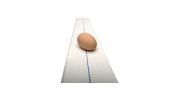
Install nests for hens, the size of which corresponds to the norm, with a slight slope of the bottom (5-7 °), so that the eggs rolled into a special tray.
How to make chicken nests so that laying hens feel comfortable in them? Take a wooden or plastic base with sides 5 cm high, inside lay a bedding 5-7 cm thick, equip the top cover, which will protect the nest from dust and light.
Using these recommendations, you will provide your hens with comfort and yourself with quality and fresh eggs.
22/11/2024