




-180x100.png)
Winter is a real test for poultry farms. Not only for the birds, but also for all the systems responsible for heat, air, and comfort in the building. While the main task in summer is to cool the poultry house, in winter it is to retain heat without spoiling the microclimate.
Specialists from VADA, a company specializing in engineering solutions for poultry farming, have prepared a practical checklist so that farmers can face the cold season without accidents, stress, or unnecessary expenses.
1. Thermal insulation: don't let the heat escape
Start with the basics — check where your heat is escaping. Walls, roof, gates — everything matters. Imperceptible cracks or moisture in the insulation can “eat up” to 30% of the energy you pay for heating.
- Inspect the joints of sandwich panels and ceilings.
- Replace the seals on doors and windows.
- Make sure the insulation is dry and has not lost its effectiveness.
VADA engineers recommend performing a thermal imaging diagnosis — an infrared camera will show all the “cold spots” where the farm is losing money literally every hour.
2. Ventilation: fresh air without heat loss
In winter, ventilation often becomes the Achilles' heel of a poultry house.
Farmers close the dampers to keep the heat in, but as a result, they get condensation, increased humidity, and heavy air, which affects the birds.
To avoid this:
- check the fans, the condition of the blades and grilles;
- make sure that the automation system responds correctly to temperature and humidity;
- set the minimum air exchange so that CO₂ and ammonia do not accumulate.
“Ventilation is not just about cooling. It's about health and microclimate stability. In winter, the main thing is to strike a balance between freshness and heat retention,” emphasizes Alexei Yurchenko, an engineer at VADA.
3. Heating: prepare the system for frost
Before the cold weather sets in, be sure to test heat the poultry house.
This will allow you to identify problems before the thermometer drops below zero.
Check:
- whether the burners and filters in the heat generators are clean;
- whether there is draft and whether the automation is working;
- whether the water heating system is airtight and what the pressure is in it.
VADA experts advise testing the heating at least two weeks before the birds arrive. Otherwise, you risk an accident in the middle of winter.
4. Automation and sensors: precision that saves money
Winter mode is a real marathon for automation. One faulty sensor — and the temperature drops, the birds get stressed, and the energy bill goes up. Therefore, before the season:
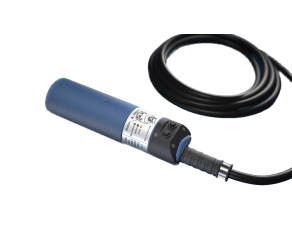
- calibrate the temperature, humidity, and CO₂ sensors;
- check that the “summer” modes of the controllers are not still active;
- clean the control units from dust.
“Automation is not a luxury, but insurance for 24/7 stability. One correctly configured sensor can save hundreds of cubic meters of gas per season,” shares Alexey Yurchenko.
5. Backup power supply: readiness is paramount
In winter, even a short power outage can paralyze a poultry house. Without electricity, fans, heating, and even watering systems will not work.
To avoid risks:
- check generators, batteries, and fuel levels;
- test the automatic start of the backup power supply;
- ensure a fuel supply for at least 24–48 hours of autonomous operation.
VADA engineers recommend running the generator once a week in test mode to ensure that it does not stop at a critical moment.
6. Service and maintenance: prevention is cheaper than repair
Before winter, it is worth carrying out technical maintenance or a chief inspection.
This is not a formality, but a way to save money. Repairs during frost are always more expensive and risky than preventive maintenance in the fall.
“Winter is the best test for any system. If the poultry house operates stably in frost, it means that the project has been done well,” concludes a VADA engineer.
31/10/2025