

















-180x100.png)



A sow's natural instinct before farrowing does not disappear, even if she is kept in industrial conditions. Just like in the wild, the animal fidgets, digs the floor, and looks for something to cover her "nest" with. And the farmer's task is to provide her with a safe space for farrowing and raising piglets.
Why nest building is important for sows
In nature, a sow separates herself from the herd, trying to find a quiet, protected place. On the eve of farrowing, she undergoes hormonal changes that stimulate this very "nesting behaviour". If she is not helped, the animal becomes anxious, agitated, restless or, conversely, apathetic. Their level of aggression increases. Studies have also shown that suppressing the nesting instinct can lead to problems with lactation and piglet mortality. Therefore, setting up a nest on farms is not only a matter of animal comfort, but also a real factor in improving productivity and reducing risks for the litter. The effectiveness of sow fertilisation and subsequent productivity directly depend on the conditions of keeping.
What materials are suitable for building a nest
During this period, it is important to provide the sow with high-quality bedding so that she can realise her natural instinct. This can be straw, hay, sawdust, jute bags and ropes. Let's take a closer look at each type of bedding.
Straw is the most affordable material, retains heat well, and is easy to use to build a nest for an animal. However, it needs to be replaced regularly to prevent the growth of pathogens and dampness. The best option is to add small portions daily and replace it completely every few days.
Hay is softer than straw and smells nice, but it quickly becomes matted and also absorbs moisture. It is more expensive and less accessible on a large scale. Therefore, it can be added little by little to straw.
Sawdust has its pros and cons. It absorbs moisture well, but its fine particles can get into the respiratory tract of piglets. Sawdust is also not very suitable for "construction activities."
Jute bags are a durable material that animals love to use to arrange their space during farrowing. But here you need to make sure that the sow does not chew or swallow the fibres. Therefore, veterinarians recommend adding bags to clean pens as additional material for "construction".
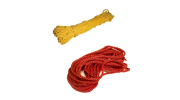
Pigs love to pull and tear ropes, thereby relieving stress. However, in this case, there is a risk of entanglement or eating the fibres. They should be checked regularly.
How often should materials be added? Two to three days before farrowing, give small portions daily, but during and after farrowing, ensure that the pen is dry and clean, and immediately replace any soiled material with fresh material. The same applies to the first days of piglets' lives, so that they are warm, dry and clean.
How housing type and flooring affect pig welfare
The conditions in which sows are kept affect not only their productivity but also the health of their offspring. In farrowing crates, the mobility of sows is restricted, which reduces the risk of accidentally crushing piglets and facilitates control and care of the animal. However, cages also increase stress levels by restricting natural behaviour. Therefore, to make the sow comfortable in her cage, it is necessary to add straw and ropes. These additional solutions for enriching the environment should not be neglected.
Free-range systems are more conducive to the sow's natural instincts, as she can move freely and build a nest. This has a positive effect on her health and well-being, resulting in a calm farrowing and good lactation. However, in such conditions, there is a greater risk that the sow may trample the piglets. Therefore, the space should be designed competently so that the animal is comfortable and the piglets remain alive.
Now, regarding the types of flooring, each has its own nuances that should not be overlooked. Traditional (concrete, wooden) flooring is easy to install and well suited for use with bedding. It should be cleaned frequently to prevent moisture and dirt. Modern housing technologies offer slatted flooring, which reduces cleaning costs because manure falls through the slats. The bedding used here must be cut to the right size and shredded, as long pieces can clog the floor grates.
In all these tips, we must not forget about the ventilation and microclimate systems, which will reduce the risk of moisture and the development of microbes in the nest.
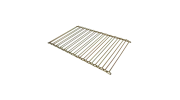
Slatted flooring for pigs keeps the bedding dry and reduces the risk of infections in the nest.
Why is fencing important during farrowing?
First of all, it protects piglets from accidental crushing by the sow or injury, minimising contact with other sows in neighbouring pens.
A properly designed fence separates the sow's area from the "warm corner" for piglets. This makes it easier to maintain the right microclimate for the animals: a higher temperature can be maintained in the nest, and a lower, more comfortable temperature for the sow. This zoning helps to prevent the piglets from getting too cold.
In other words, the fence during farrowing is not just another element of the machine's design, but also a factor in safety, comfort and process control. You can buy slatted flooring for pigs and structural elements in the VADA online store. In addition to equipment, you can get expert advice from experienced specialists, help with selection and installation on the farm if necessary.
Practical advice for farmers
To summarise the above, let's briefly go over some points. The farrowing area for sows should have enough space for movement and nest building, and a separate corner for piglets. This is about 6-8 m² per individual with piglets in a free system. There should be sufficient air circulation for the animals to feel comfortable. The temperature above the nest should be slightly higher than in the sow's area. Temperature control is critical for the survival of piglets.
The bedding must be clean and dry, and additional materials for the sow (ropes, jute bags) must not be neglected. At the same time, it is essential to renew them daily.
Farmers often make mistakes.
- Small space or lack of zoning leads to stress and aggression in pigs.
- The lack of bedding causes hypothermia and higher piglet mortality.
- Neglecting the microclimate makes piglets weak and causes lactation problems in sows.
Most importantly, proper nest design combined with technological solutions that take into account the animal's needs will ensure good results. Livestock equipment plays an important role in this context: fencing for pigs, slatted floors — everything must be safe and comfortable. Diet, microclimate and bedding are key elements of effective sow management.
10/09/2025