








-180x100.png)
Keeping cattle is a major financial expense, especially in an unstable economy. However, there is good news - with a competent approach, they can be optimized without compromising the health and productivity of the animals, while maintaining the quality of care. How to make this business profitable? Below we look at the real numbers and tricks to save money.
Optimizing the diet to reduce costs
Almost the biggest expense in cattle care is feed.
Optimizing rations involves choosing affordable and nutritious feeds, producing them yourself, using mineral supplements and monitoring consumption to reduce costs. The main challenge here is to find a balance between feed quality and cost.
It is possible to reduce feed costs by selecting ration components that are both cheap and nutritious. We are talking about roughage - hay, straw, haylage, which form the basis of cattle nutrition. A cheap source of energy are succulent forages (cake, silage, root crops), which provide high productivity of dairy cows. Concentrated forages (cereals, cake, meal) enrich the animals' organism with protein. Alfalfa, cake, fodder beets, pumpkin are rich in useful substances. Mineral and vitamin supplements should not be neglected: salt and mineral blocks help prevent micronutrient deficiencies, yeast cultures and probiotics improve digestion, and biological supplements (enzymes, amino acids) increase the conversion of feed into products.
It is important to realize that feeds need to be selected for their digestibility and energy value in order to not just save money, but to provide the animals with all the nutrients they need.
Energy efficient solutions for cattle housing
To make cattle housing more economical, it is advisable to implement modern cattle housing systems: heating, ventilation, automation for climate control and energy-saving technologies. This allows not only to reduce costs, but also to generally improve the conditions of cattle housing.
Depending on climatic conditions in winter, the optimal temperature in the barn is + 8-12 ° for dairy cows and + 3-5 ° for dry cows. The temperature regime can be ensured by using infrared heaters, which can save up to 30-50% of energy compared to traditional systems. This can also include biofuel boilers.
Do not underestimate the role of ventilation systems, as proper air circulation prevents the accumulation of moisture, ammonia, carbon dioxide and dust. The cheapest method is natural ventilation (slotted windows and exhaust shafts). Mechanical (fans, tunnel systems) provides controlled air exchange and energy savings. And sensor-controlled systems automatically adjust fan operation based on temperature, humidity and gas levels in the air.
Energy-efficient cattle housing equipment saves a lot of money and increases the productivity of the animals.
Last but not least, the way cattle are kept can be tethered or untethered, and the choice depends on the farm's resources and the comfort of the animals.
Remember that insufficient space can have a negative impact on the health and productivity of the cattle. Therefore, it is important to respect the space standards of cattle housing.
Optimize care and veterinary services
Prevention is definitely cheaper than cure. To minimize the cost of veterinary care, it is advisable to introduce an effective disease prevention system. Preventive measures include regular veterinary examinations, timely vaccination, hygiene, proper diet, mastitis control and timely hoof care. Hygiene of cattle housing is of great importance.
Modern cattle husbandry rules include automation of farm processes, which not only reduces personnel costs, but also improves the quality of cattle care. It is now difficult to imagine a productive farm without it.
Milking robots ensure stable milk quality. And the need for milkers is also decreasing. Automatic milking parlors allow you to milk several cows at the same time, saving time and resources. And the mastitis monitoring system has built-in sensors that analyze milk quality and detect signs of inflammation.
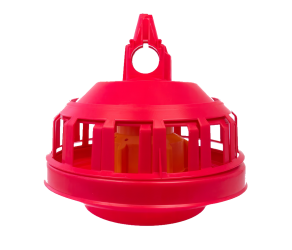
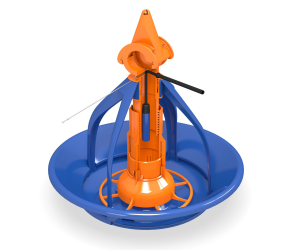
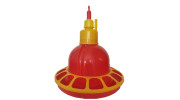
Automated feeding also frees up staff time and reduces feed costs by up to 15%. Feed dispensers distribute food evenly and robotic mixers help to achieve an optimal balance of nutrients. Automatic drinkers deliver clean water in just the right amount.
Rational use of equipment and resources
In order to avoid unnecessary expenses on machinery repairs, it is necessary to regularly maintain and, if necessary, repair the equipment and implement a record keeping system. This will help to optimize farm operation. Faulty equipment and machinery can cause large losses of feed, energy and even milk. Why invest in multifunctional equipment? Because it reduces the number of units on the farm, reduces fuel and energy costs, and eliminates the need for a large number of hired workers.
As you can see, to run an efficient farm, you need to provide everything you need to keep cattle: quality feed, comfortable stalls, proper ventilation and veterinary care.
13/02/2025