
-180x100.png)
30/10/2024
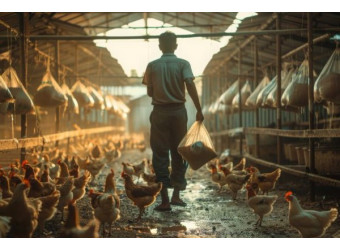
Humidity is an important indicator for keeping chickens, as its level directly affects poultry health, egg productivity, and overall comfort in the poultry house. Excessively high or low humidity in the chicken coop can lead to illness and create unfavorable conditions for chickens. Therefore, it is essential to know the recommended humidity levels, recognize signs of deviations, and adjust them as needed.
Ideal Humidity for Chickens
To create a favorable environment, the optimal relative humidity in a chicken coop should be 60–70%. This level ensures good air quality, reduces the risk of pathogenic microorganisms, and prevents excessive moisture loss from the chickens’ bodies, which is important for their health.
Increased humidity in the coop typically arises from poor ventilation, improper litter care, or overcrowding. How to know if the humidity is too high?
- condensation appears on the walls, windows, or ceiling;
- wet litter starts to ferment, producing an unpleasant smell;
- air quality deteriorates, which can cause respiratory issues in chickens and promote diseases like coccidiosis and salmonellosis;
- chickens become less active and more susceptible to illness.
Low humidity also has negative effects, especially in winter when air is often too dry due to heaters. Low humidity can cause:
- dryness of the mucous membranes, increasing the risk of respiratory and skin diseases;
- reduced egg production, as chickens may lower productivity in adverse conditions.
How to Control Humidity in the Chicken Coop
Humidity control in the coop is essential for keeping poultry healthy and ensuring stable productivity. By following the recommended humidity levels and recognizing signs of imbalance, you can create a comfortable environment for your chickens. This requires proper ventilation to lower humidity levels. Ventilation openings allow excess moisture to escape and help bring in fresh air. The ideal temperature in the coop should be maintained at around 10–15°C, as too high a temperature promotes moisture evaporation and raises indoor humidity. Use quality, dry litter and change it regularly. To monitor humidity levels, use a hygrometer to check regularly. In winter or very dry conditions, you can use humidifiers to maintain the optimal level.
Ventilation is a key element in controlling humidity, as it provides constant air exchange. To achieve this:
- ensure free airflow in the coop through vents or windows, avoiding drafts;
- if the space is large, install fans or exhaust systems. This will help control temperature and humidity even in hot or rainy weather;
- regularly ventilate by opening doors or windows in warm weather, but avoid sharp temperature changes and drafts, especially in winter.
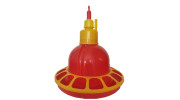
Water and litter can also impact the microclimate in the poultry house. High humidity may result from spilled water. It’s advisable to use automatic drinkers to prevent crowding around one water source. Additionally, check the water daily, ensuring it doesn’t freeze in winter.
For litter, choose materials that absorb moisture well (such as straw, sawdust, or shavings) and don’t compact quickly. Wet litter can be removed locally, while a complete change should be done monthly.
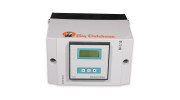
To maintain optimal humidity, commercial farms use hygrometers. These are placed in the center of the facility. Modern models may have a digital display and automatic alert function if humidity exceeds the limit. Regular monitoring helps keep humidity levels within the recommended range.
With Vada, Humidity is in Control
Vada provides equipment to maintain the necessary humidity and temperature levels in any livestock facility. The company’s specialists will help you select the right equipment for your poultry house, considering all specific requirements. The European-made fans offered by Vada are renowned for quality and performance. And, of course, experienced specialists ensure warranty service to keep you from facing issues alone. The company’s priority is long-term cooperation with its clients.
30/10/2024