


-180x100.png)
Winter is a real challenge for poultry owners, as cold weather affects both their well-being and productivity. Therefore, it is important to take additional measures to maintain the comfort and health of poultry, especially in low temperatures.
Preparing the premises for poultry wintering
When thinking about poultry care in winter, it is necessary to take care of the thermal insulation of the room where it will be kept in advance. The most economical and effective material for insulating the floor is straw and hay, which is decomposed to a thickness of 15-20 cm. If the floor is concrete, it is advisable to lay a flooring of boards on it. For wall and ceiling insulation, foam or mineral wool are perfect. But if you use foam, you need to take care to protect it so that chickens don't peck at it. Clay plaster is considered the most environmentally friendly way to insulate, but it requires more time to apply.
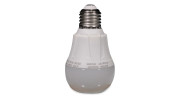
Windows and doors must be checked for gaps to prevent cold air from entering. Doors can be additionally sealed with special tape. How else can you help the bird in winter? If the room is small, you can install lamps or infrared heaters - they will keep the temperature at about the same level.
When insulating the chicken coop, do not forget about ventilation, as excessive humidity can lead to bird diseases. Usually it is enough to install one exhaust pipe under the ceiling.
What to feed the bird in winter?
The winter diet is different from the summer diet, as the bird needs more calories to maintain its body temperature during the cold season. What does a bird eat in winter? The basis of the diet should be cereals: wheat, corn, barley - they provide energy. Do not ignore protein supplements such as sunflower cake, peas, or specialty feeds that support egg production. Poultry feed in winter should include vitamins and minerals: it can be crushed vitamin mixtures or fresh vegetables (pumpkin, carrots, beets). What else do you feed your bird in winter? If possible, add dried herbs and sprouted wheat or oats. And make sure that the water does not freeze. You can use drinker heaters for this purpose.
Why is daily poultry monitoring important in winter?
Cold weather and limited access to fresh air can negatively affect the health and physical activity of poultry. Every day, you need to pay attention to the bird's appearance and behavior to detect signs of illness in time. How to help poultry be more active in winter? If the weather permits (the temperature is above -5°C and there is no wind), you can let the bird out into the yard for at least half an hour. If outdoor walking is not possible, organize activity indoors: hang bundles of hay or straw, vegetables a little higher from the floor - this will stimulate chickens to jump up and down.
Low temperatures can lead to colds. What signs can indicate health problems? Decreased appetite, loss of activity, shortness of breath or wheezing, digestive disorders, “fluffy” feather cover. To avoid all of this, you need to maintain a warm and dry atmosphere in the chicken coop, a balanced diet, and regular ventilation.
Sanitary conditions in cold weather
Low temperatures and high humidity can promote the development of bacteria, mold, and harmful microorganisms if hygiene is not maintained. Proper indoor cleanliness is a key to poultry health and comfort. Therefore, it is important to ensure daily cleaning of waste and excess feed on the floor and in the feeders, ventilation, but without drafts, disinfection of walls, floors and other surfaces with special health-safe products once a month.
Add fresh straw or hay to the nests to keep them warm. Check them weekly for dirt and droppings. Resting areas and perches where chickens rest should also be clean. They should be positioned so that the bird sits on the poles with its paws folded under it, and thus keeps warm.
Such simple but regular measures will help prevent many diseases and promote the well-being of chickens.
16/11/2024