

-180x100.png)
The health and productivity of rabbits directly depends on their diet. Errors in nutrition can lead to growth retardation, disease, and even death. A rabbit's diet per day should be balanced and contain everything necessary for digestion and energy. What should you feed rabbits, how much food should you give them per day, and what should you avoid?
The main components of a proper rabbit diet
Rabbit diet - what does it include? Roughage is an integral part of every animal's diet, as it improves digestion due to its high fiber content. Prolonged chewing of, say, hay promotes natural tooth abrasion, thus avoiding overgrowth. Roughage is used as a source of energy with a relatively low calorie content, which prevents obesity.
Fresh hay is the best choice, and straw can be used as a source of fiber. A properly formulated diet for rabbits (table) ensures healthy growth, strong immunity, and beautiful fur.
Juicy foods are the main source of vitamins, minerals and water for rabbits. Carrots, broccoli, cabbage, and lettuce are especially useful. To diversify the diet, you can add apples, pears, and berries. But due to their high sugar content, their amount should be limited.
Concentrated feeds (grain mixtures and pellets) are used as a supplement to the main diet to provide additional energy, proteins, fats, minerals, and carbohydrates. For pelleted feed, pay attention to the composition of the pellets and avoid those that contain artificial colors or soy in excess. To avoid digestive problems, you should correctly calculate the rabbit's diet per day.
How much food do rabbits need per day?
The daily diet of a decorative rabbit depends on its age, health, and activity level. Roughage should make up the bulk of the diet. Feed only fresh, pest-free, and free of excessive moisture. Water should be constantly available. It is good to diversify the rabbits' diet, but introduce new foods gradually. In the spring, gradually start giving fresh greens, in the summer, focus on grass and vegetables, avoid overheating food, in the fall, increase the proportion of hay, reducing greens, and add root vegetables, and in winter, the main food will be hay and cereals. The food should be balanced and rich in nutrients. As you can see, the diet for rabbits varies depending on the season. Now you know what to feed your decorative rabbit.
Table of daily feeding rates for rabbits
| Type of rabbit | Hay, g | Succulent feed, g | Concentrates, g | Water, ml |
| Decorative adult | 100-150 | 100-200 | 20-30 | 200-400 |
| Decorative rabbit (2-6 months) | 8-100 | 50-100 | 10-20 | 150-300 |
| Meat breed, adult male/female | 150-250 | 300-500 | 100-120 | 500-1000 |
| Meat rabbit for fattening (1-3 months) | 100-150 | 200-400 | 80-100 | 400-600 |
| Lactating female | 200-300 | 400-600 | 150-200 | 1000-1500 |
Note: These are approximate values. Actual values may vary depending on various factors.
What should not be fed to rabbits?
Dangerous foods for rabbits are bakery products that cause fermentation in the stomach, bloating, and disrupt the microflora. Sugar, chocolate, and other sweets are poisonous to the gastrointestinal tract. Since rabbits cannot digest lactose, they should not consume milk and dairy products. Potatoes are also harmful due to the content of solanine, a toxin that affects the liver and nervous system. The list of prohibited foods is complemented by onions with garlic, large quantities of white cabbage, any mushrooms, soda and sweet water.
Among the herbs, some plants are harmful to rabbits. These are celandine, fern, buttercup, horse sorrel; they cause poisoning, liver disorders, and dill can provoke bloating. Tomato tops, eggplant and potato leaves contain alkaloids that are toxic to these animals. So if you are not sure what kind of plant it is, it is better not to give it to them.
An unbalanced diet is dangerous because it causes bloating, diarrhea or constipation, vitamin deficiency, and obesity. Experts recommend: less is more, but safe. Rabbits do not need “variety” - they need stability, fresh hay and clean water every day.
How does VADA help with the selection of food for rabbits?
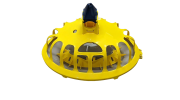
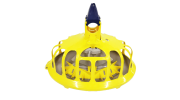
Choosing a quality rabbit feeder is an important step in ensuring healthy growth, hygiene and efficient feeding. Therefore, it should be comfortable, safe, easy to clean, and appropriate for the age and number of animals.
VADA offers different types of feeders:
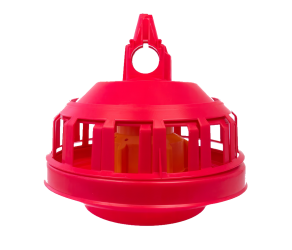
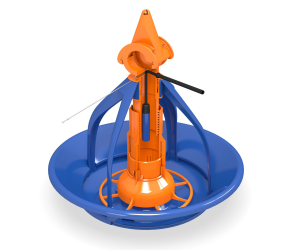
- hopper - for concentrates and pellets, which automatically feeds the feed and saves time;
- trough - for cereals, mixed feed, suitable for a group of rabbits;
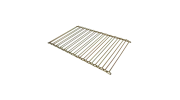
- mesh or lattice for hay - its design is designed to prevent animals from stretching the hay and keep the area clean;
- hanging plastic or metal for juicy feed - it is lightweight, mobile and easy to clean.
When choosing a feeder, you should also pay attention to the material: aluminum or stainless steel are considered durable. Food grade plastic feeders are lightweight and relatively cheap. Galvanized metal feeding equipment is often used in industrial production. It is better to avoid feeders made of wood, plywood, or thin plastic, as rabbits will easily chew on them.
10/04/2025