

-180x100.png)
The chain automatic feeding system is one of the most common in modern livestock and poultry farming. It is an effective solution that ensures even distribution of feed along the entire length of the feeder, minimising feed loss and ensuring access to food for all animals or poultry.
At the heart of this system is a simple but extremely important element — the chain. It is responsible for the smooth movement of feed and ensures the stable operation of all livestock or poultry equipment. Choosing the right chain and replacing it in a timely manner is critical to maintaining the high productivity and profitability of your farm.
Feed chains — a key element of feeding systems
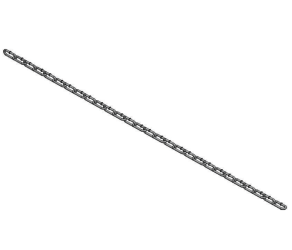
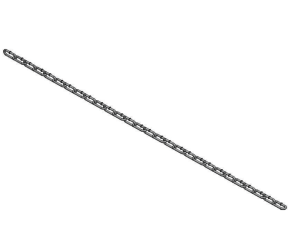
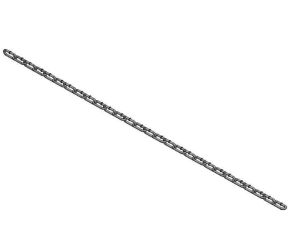
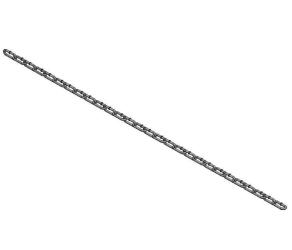
Chains play a fundamental role in the operation of automatic feed delivery systems. They function as a transport mechanism, ensuring the even movement of feed from the silo to each individual feeding place. Without this component, the entire system simply cannot function. A high-quality chain not only ensures feed delivery, but also stable, quiet movement that does not disturb the animals. This is especially important in poultry farming, where stress can negatively affect productivity.
The quality of the chain directly affects the efficiency of feeding and the smooth operation of livestock and poultry equipment. Made of high-strength materials, the chains can withstand significant loads, constant contact with aggressive environments (feed, moisture) and intensive use. Every millimetre of chain travel is a step towards providing animals with quality nutrition. The production process on farms does not allow for downtime, so the reliability of every detail is of paramount importance.
The consequences of using worn or poor-quality chains can be disastrous. Firstly, it can lead to uneven feed distribution. As a result, some animals may receive too much, while others may receive too little, which will negatively affect their development and health. Secondly, a poor-quality chain can break at the most inopportune moment, causing the entire system to shut down. This not only leads to the need for urgent repairs, but also to lost time, potential losses and stress for the animals. Choosing reliable and durable components for your feeding system is an investment in the success of your business.
Features and types of chains for feeding systems
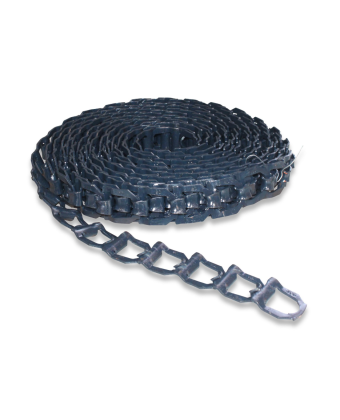
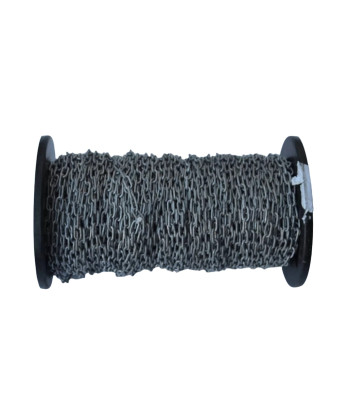
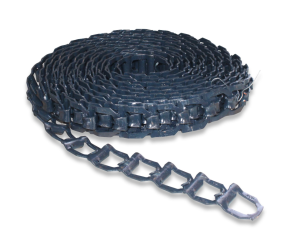
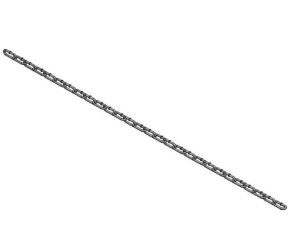
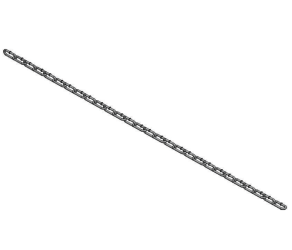
The design of the feed chain is developed taking into account the specifics of its operation. It is based on high-strength steel. It provides strength and resistance to stretching. This is important because the chain operates under constant tension.
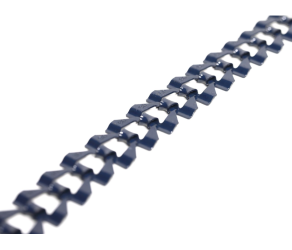
Another key element is the anti-corrosion coating, which protects the metal from rust and the aggressive effects of feed. Galvanising or other special coatings are most often used to extend the service life of the product. Strength and abrasion resistance are ensured by the special shape and size of the links.
The types of feed chains vary depending on their purpose. Although the general principle of operation is similar, there are differences for different types of animals:
- Chains for broilers usually have certain characteristics that meet the needs of intensive farming.
- Chains with different parameters can be used for laying hens. They take into account the smaller amount of feed delivered per cycle.
- Specific models have been developed for pigs and other animals, taking into account the volume of feed and the design features of the feeders.
Compatibility with different systems and manufacturers is another important feature. Most high-quality feed chains are universal and suitable for systems from leading global manufacturers. This makes it easy to replace a worn part without having to look for an equivalent from a specific brand.
How to choose a feed chain?
Choosing a chain for automatic feed delivery is a responsible task. The stability of the entire equipment depends on it. First of all, you should consider the type of farm:
- Poultry farm.
- Pig farm.
- Rabbit farm.
- Private farm.
Each of these types of farms has its own characteristics and feeding requirements. Choosing a chain designed for a poultry farm may be ineffective on a pig farm. This is due to the different volumes of feed that are transported.
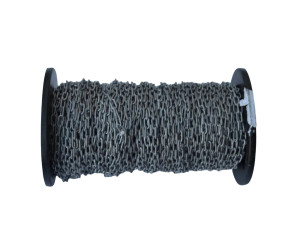
Next, you need to pay attention to the length and thickness of the feed chain. The length of the product must correspond to the total length of the feeders in your system. The thickness of the links determines strength and durability.
To choose the right equipment for poultry or livestock farming, consider the following characteristics:
- Purpose — for which animal or bird it is intended.
- Material of manufacture — whether it has an anti-corrosion coating.
- Link size — does it match the parameters of your system?
- Manufacturer — do you trust this brand?
- Availability of quality certificates.
Be sure to pay attention to the quality of the steel and protective coating. This determines corrosion and abrasion resistance and service life. Poor-quality material will quickly fail, forcing you to spend money again. It is also important to check compatibility with your automatic feeding system.
Where to buy feed chains in Ukraine?
If you are looking for reliable poultry and livestock equipment in Ukraine, the VADA online store is one of the best solutions. The company specialises in supplying high-quality components for feeding systems. The advantages of buying chains from us are obvious. Firstly, we offer a wide range of products from leading manufacturers, which guarantees high quality. Secondly, you have the opportunity to buy a feed chain at an affordable price. The company works directly with manufacturers.
In addition to chains, the range includes other livestock equipment: gear motors, bunkers, screw conveyors and other components. They will allow you to assemble or repair any feed delivery system. Reliability and quality are our top priorities, so when you buy from VADA, you can be sure of the durability and efficiency of your equipment.
Not sure which feed chain to choose? VADA's experts will help you — contact us and we will select the best option for your farm!
 Filters
- Сторінка
- 1
- 2