

-180x100.png)
Broilers require a special diet at every stage of growth. After 30 days of age, their bodies undergo changes. It is at this stage that feeding has a key impact on the final result — weight gain, feed conversion, meat quality and bird health. An incorrect diet after one month can negate all previous efforts, even if the broilers got off to a good start in the first weeks of life.
Features of broiler development after one month
After 4 weeks of life, broilers begin to gain weight. Daily weight gain can reach 50-70 g (broiler growth table). Poultry need more protein and energy, but in a different ratio than before. The digestive system is already formed, and now it is important not to overload it with heavy and fatty feed. If the diet is not revised, the broiler will begin to accumulate fat, which will affect the quality of the meat.
During the first 30 days, the main goal of feeding is rapid growth and development of the birds' organs. Then a new stage begins — the finishing stage, where feed promotes muscle growth.
Water should always be fresh and cool. What should be avoided when feeding broilers?
- Frequent changes in diet.
- Excess protein after one month of life.
- Insufficient energy content of feed — if the finishing feed does not provide energy, the birds will eat more but will not gain weight properly.
- A large amount of fibre makes it difficult to absorb nutrients.
- Lack of essential vitamins D3, E, B12, selenium and zinc.
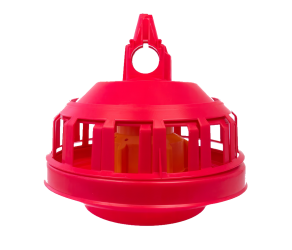
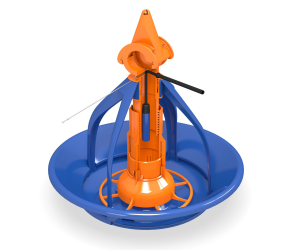
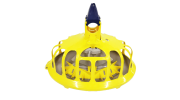
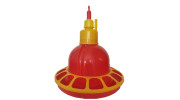
- Use specialised feeders and drinkers to avoid feeding "from the floor".
What to feed broilers after one month
The basic diet of broilers should consist of corn (up to 60%), soybeans, sunflower meal/cake (25%), feed fats or oil (3-5%), mineral supplements (3-4%), premix (5%), lysine, methionine if necessary. For convenience, you can use ready-made compound feeds, which have a balanced composition and reduce the risk of mistakes.
Water is no less important than feed. After one month, broilers consume 1.7-2 times more water than feed. To ensure that the water reaches the birds clean and free of pathogens, the drinking systems must be periodically washed with disinfectants.
Digestive problems in broilers can be avoided by:
- introducing new feed gradually according to the following schedule: 70/30 - 50/50 - 30/70;
- use granulated feed;
- feed live probiotics or enzymes once a week;
- avoid overfeeding – it is better to feed more often, but in small amounts.
And keep an eye on the droppings to make sure they are well formed, without mucus or ammonia odour.
Broiler growth chart
| Age, days | Average weight, g | Type of feed | Feeding objective | Comments on control |
| 1 | 40-45 | Starter | Growth and immunity | Weigh 5-10 heads on the day of planting |
| 7 | 170-200 | Starter | Intensive weight gain | Weight should increase 4-5 times |
| 14 | 400-450 | Starter | Development of organs and muscles | The afterbirth should be dry, the bird should be active |
| 21 | 750-800 | Starter Grover | Gradual transition to grower | Start mixing 70/30 starter/grover |
| 28 | 1200-1300 | Grover | Optimal muscle gain | It is important to avoid protein overload |
| 35 | 1700-1800 | Grover | Completion of intensive growth | Normally up to +80 g/day of weight gain |
| 42 | 2200-2400 | Finisher | Meat formation, minimum fat | Add finisher (30%) |
| 49 | 2700-3000 | Finisher | Achievement of slaughter weight | Weigh the control group before slaughter |
Summarising the information in the table, it is recommended to weigh 5-10 randomly selected broilers from different parts of the poultry house every week and compare the results with the table (a deviation of 10% indicates that the diet and microclimate in the room need to be reviewed). Monitor growth: 1-21 days — 40-60 g/day, 22-35 days — 60-80 g, 36-49 days — 70-90 g. Switch to a different type of feed in a timely manner, as even a slight delay can lead to obesity or reduced growth, and consequently stress.
Tips and common mistakes when feeding broilers
Feeding with whatever is available: bread, porridge, raw vegetables — this is not food for broilers, as it is unbalanced and does not contain the necessary amino acids, minerals and vitamins. As a result, the birds grow slowly, become obese and develop liver problems.
Excess protein affects the quality of the litter. In the final feed, it should be up to 17%.
A lack of vitamins and minerals leads to leg deformities, brittle bones, rickets and nervous disorders.
Dirty water is one of the causes of diarrhoea in broilers. It is better to use nipple drinkers or cup systems with filtration.
Feeding from the floor poses a risk of salmonella and coccidia infection. To reduce the risk of infection with these diseases, it is better to use special feeders and renew the feed daily.
Overfeeding or underfeeding leads to obesity, lameness, heart problems or stunted growth, reduced immunity and even death.
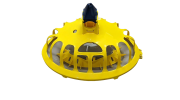
For convenient and hygienic feeding, choose high-quality feeders for broilers, which can be purchased from VADA. This will help avoid feed losses and improve the conditions for keeping poultry.
07/08/2025