



-180x100.png)
Turkeys are a somewhat demanding bird to the conditions of keeping. But it is in winter that they show themselves to be quite hardy. Adults tolerate the cold even better than chickens and ducks. Thanks to their dense muscles, active metabolism and thick plumage, they can more easily survive the frosty “minuses” outside. The only condition for this is a dry poultry house, effective ventilation, sufficient lighting and moderate heat. Also, during winter fattening, you should think in advance about what to feed the turkeys so that they grow quickly and provide them with a balanced diet.
How do turkeys behave in winter
These majestic birds are active and curious by nature, they need a lot of space. Activity helps them survive in winter, because movement generates heat, maintains normal body temperature and stimulates appetite.
The main enemy of turkeys is drafts, which lead to hypothermia and diseases. Therefore, ventilation holes should be adjusted so that they work on the principle of soft air exchange, without flows that directly “hit” the bird.
It is important to create the most natural conditions for keeping turkeys in winter, then they will grow well. What should you take care of?
- Perches are a mandatory element, because turkeys like to sleep on elevations.
- Sleeping in groups: in winter, birds gather, gather more densely to keep warm.
- High-quality ventilation: even in frost, the poultry house should be clean and well-groomed. Ammonia and moisture are what should be monitored to prevent respiratory problems in birds and fungal diseases.
What temperature is acceptable for turkeys of different ages?
Indeed, cold is perceived differently by individuals of different age categories. If adult turkeys are not afraid of the cold, then young ones, on the contrary, are sensitive to low temperatures. Therefore, the temperature regime is an important element of winter keeping.
-3 to +10°C is a comfortable environment for adult turkeys, but provided that the room is dry, without drafts and with thick bedding.
Young birds from 1 to 3 months are more sensitive. The optimal temperature for them is +12+18°C. Immunity is still forming during this period, so you need to avoid sudden changes in temperature, which can provoke a cold and even death.
Birds of the first month of life need stable heating. In winter, heating should be constant with a humidity of no more than 65%.
Actually, why are turkeys so sensitive to dampness and temperature changes? Dampness quickly cools the bird's body, and ammonia vapors irritate the mucous membranes, thereby weakening the immune system. Sharp temperature changes cause stress in turkeys, their body loses a lot of energy.
| Age of turkey poults/turkeys | Keeping temperature | What to consider/possible risks |
| 0 - 7 days | 35–33°C | Critical period, need warmth and dryness |
| 2 - 4 weeks | 32–28°C | Gradual decrease, avoid drafts |
| 1 - 3 months | 28–20°C | Sensitive to dampness, bedding is important |
| Adult turkeys | up to -15°C (in a dry room) | The main thing is dryness, ventilation, no drafts |
How to properly water turkeys in winter?
Difficulties often arise with water in the cold season. Turkeys drink more often in winter, especially if they eat high-protein feed. Access to water cannot be restricted, because growth immediately decreases and immunity weakens. Since the water cools quickly, the bird refuses to drink it. This is critical for turkeys. Engineers of the company “VADA” recommend heating the drinking systems – warm drinkers (10-20 °C), which prevent water from overheating. In small farms, you can use insulated buckets or closed containers to prevent the open surface of the water, which will cool quickly. Change the water more often.
Separately, it is worth emphasizing the use of open reservoirs. In winter, they are dangerous because the paws and feathers get wet, and when exposed to the cold, the turkey can frostbite. Moisture accumulates in the litter, as a result of which ammonia also increases.
What to feed turkeys in winter?
Before starting a bird, it is worth finding out what to give turkeys to eat. In winter, you need to feed nutritious, high-protein feed, properly balanced in terms of energy. The basis is high-protein compound feed, soybean and sunflower meal, grain mixtures enriched with protein and energy. Protein in winter is very important for thermoregulation. In the evening, it is good to feed the bird corn, wheat and a little oats. This energy grain is slowly digested and gives off heat all night. You can give animal proteins (fish, meat and bone meal) in small quantities - they stimulate the growth of the bird.
Separately, I would like to dwell on the question: what to feed broiler turkeys: experts recommend giving starter or growth feeds with high protein, especially for young animals. But with finishing feeds for broilers, it is better to be careful, since they have a lot of energy and few amino acids. As a result, turkeys can gain fat, not muscle. It is best to feed complete feeds adapted specifically for turkeys.
Food also affects heat exchange and growth: protein supports mass and immunity, fats enrich the energy content of the diet.
How to equip a space for turkeys in winter?
As mentioned above, dryness, ventilation and space are the keys to success wintering of turkeys. The poultry house should be draft-free, but constant natural or mechanical air exchange is important. In addition, the correct size of the perch also matters: a 2x4 m board, located with the wide side up. This way the bird can hide its paws under the body while sleeping and not freeze them.
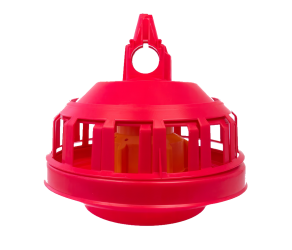
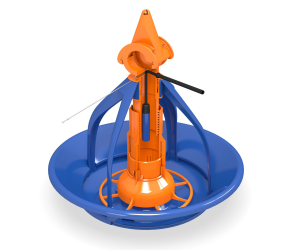
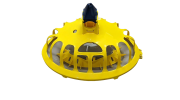
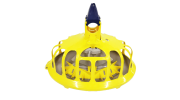
Winter keeping of turkeys is a whole complex of measures. A competently organized feeding system plays a significant role. Correct feeders prevent the feed from getting wet and freezing, protect the food from scattering, thereby saving it, and, which is very important, all turkeys have equal access to feed, even if they are groups.
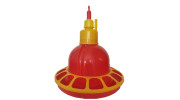
Feeding lines for turkeys work especially well on farms, which feed automatically and evenly. This reduces the load on staff and allows you to control consumption. It is such turnkey solutions that the VADA company offers. “The automatic feeding line in winter eliminates the problem of controlling access to feed, and the bird eats more often and more evenly, without stress and queues,” emphasizes the company’s engineer Oleksandr Zhylinsky. River feeders for turkeys have proven themselves well for many farmers – they are durable, convenient for large birds and help save feed. In the online store “VADA” you can find both individual “feeders” for turkeys and complete feeding lines for turkeys for farms of various scales.
As if it didn’t sound pretentious, but the right equipment in winter really reduces costs and improves the efficiency of management.
19/11/2025